
FirstnorizontFirstnorizont
Weekly Digest

Navigating the Firstnorizont of Digital Innovation

March 10, 2026 — An analytical exploration of software engineering, business process optimization, and the evolving IT landscape.

The Firstnorizont Project

A dedicated platform for high-level technical discourse and architectural analysis.

Strategic Transformation

Analyzing the shift from legacy infrastructures to cloud-native ecosystems and the impact on enterprise agility.

Software Engineering

Deep dives into modern development methodologies, from microservices architecture to serverless computing paradigms.

Data Intelligence

Exploring how advanced analytics and machine learning models are reshaping decision-making processes in the IT sector.

Cybersecurity Resilience

A comprehensive look at zero-trust architectures and the evolving landscape of digital asset protection for global businesses.

Industry News & Trends

Cloud Services

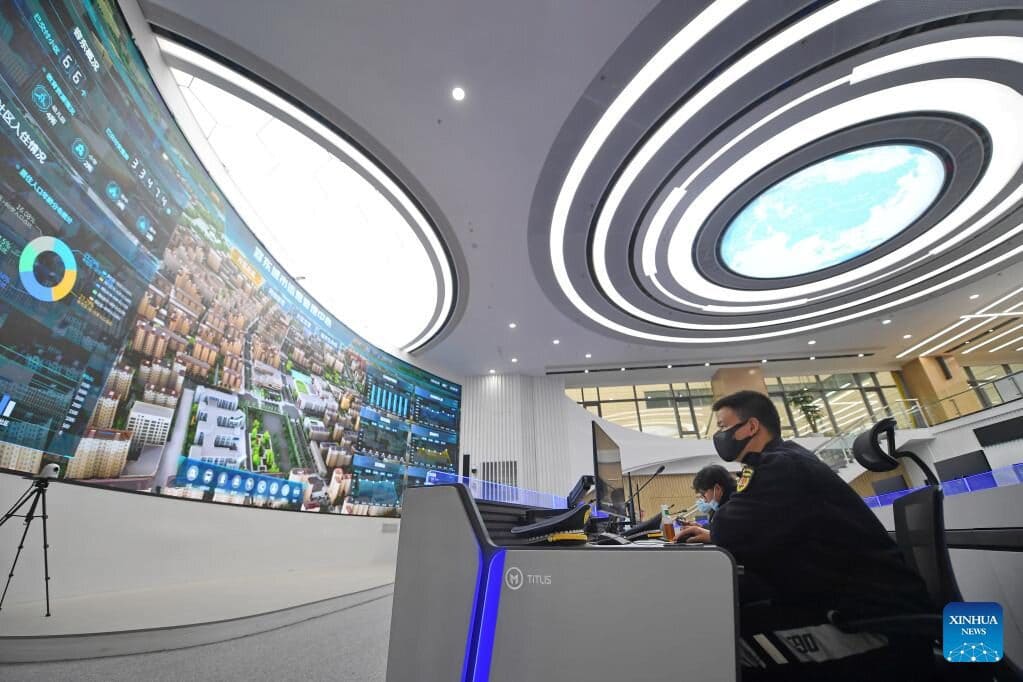
The Rise of Hybrid Cloud Orchestration

As enterprises scale, the complexity of managing multi-cloud environments grows. Recent developments in Kubernetes-based orchestration tools allow for seamless workload portability across private and public clouds. This trend signifies a move away from vendor lock-in, prioritizing operational flexibility and cost-efficiency. Our analysis indicates that companies adopting unified control planes see a 40% reduction in deployment overhead.

Automation Trends

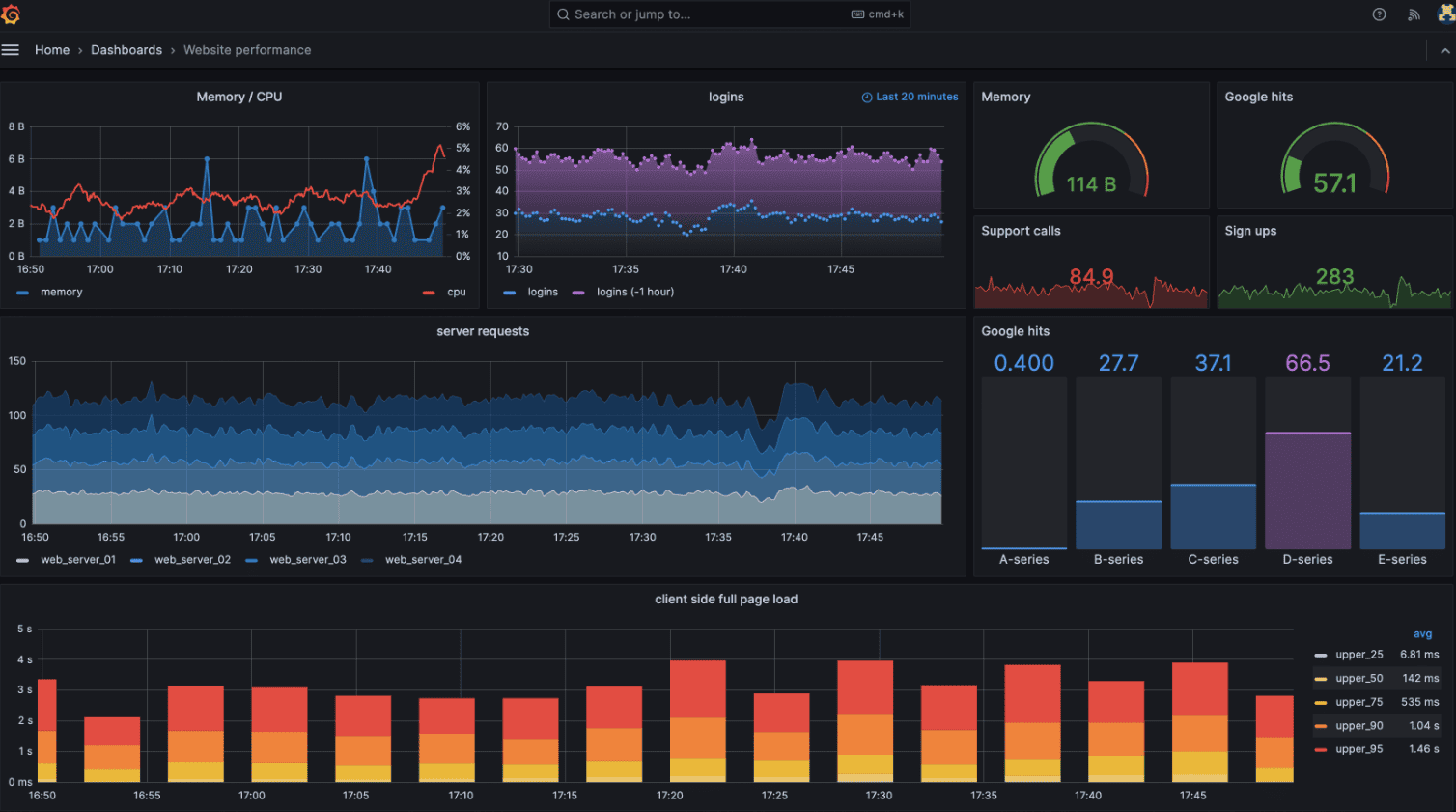
AI-Driven DevOps: The Next Frontier

The integration of artificial intelligence into CI/CD pipelines is no longer a theoretical concept. Predictive analytics are now being used to identify potential code failures before they reach production. By analyzing historical commit data and system logs, AI models can suggest optimizations that significantly enhance system reliability. This shift towards AIOps is transforming the role of the traditional DevOps engineer into a strategic architect.

Digital Tool Reviews

Analytics Platform

NextGen Analytics Suite

An in-depth review of the latest data visualization and business intelligence platform. We examine its capability to handle petabyte-scale datasets with sub-second latency. The suite offers a revolutionary approach to data storytelling, allowing non-technical stakeholders to derive insights through natural language processing. Our technical audit highlights its robust API integration capabilities and the seamless connection to major data warehouses like Snowflake and BigQuery. Despite its high entry cost, the ROI in terms of decision speed is unparalleled in the current market.

Dev Platform

CoreStream Dev Platform

CoreStream has emerged as a leader in integrated development environments for distributed teams. This review focuses on its real-time collaboration features and built-in security scanning. The platform provides a unified workspace that bridges the gap between design, development, and deployment. We found its containerized development environments particularly effective for onboarding new engineers, reducing setup time from days to minutes. The integrated debugger and performance profiling tools provide deep visibility into application behavior across different staging environments.

Security Tool

Sentinel Guard Pro

Security is paramount in the digital age, and Sentinel Guard Pro offers a comprehensive suite for endpoint protection and network monitoring. Our analysis covers its behavioral analysis engine, which detects anomalies in real-time. The tool integrates seamlessly with existing SIEM solutions, providing a centralized dashboard for threat hunting. We explore its automated incident response features, which can isolate compromised nodes within seconds of detection. For businesses handling sensitive data, its compliance reporting modules simplify the audit process for GDPR and SOC2 standards.

Workflow Tool

FlowMaster Automation

FlowMaster is redefining how companies approach workflow automation. This review analyzes its low-code interface that allows business analysts to build complex logic without deep programming knowledge. We delve into its extensive library of pre-built connectors for CRM, ERP, and communication tools. The platform's ability to handle long-running processes and human-in-the-loop interactions makes it a versatile choice for diverse business units. Our testing showed significant improvements in process consistency and a reduction in manual data entry errors by up to 85%.

Modern Software Development

Software development in 2026 is characterized by a shift towards modularity and automated resilience. The transition from monolithic architectures to microservices has allowed organizations to scale individual components of their applications independently, leading to better resource utilization and faster deployment cycles. However, this shift introduces new complexities in service discovery, inter-service communication, and distributed tracing. Our technical exploration covers the implementation of service meshes like Istio to manage these complexities, providing a layer of abstraction that handles security, traffic management, and observability.

Furthermore, the evolution of programming languages has prioritized memory safety and concurrency. Languages like Rust and Go have gained significant traction in backend systems due to their ability to handle high-performance workloads with minimal overhead. We analyze the trade-offs between different architectural patterns, such as Event-Driven Architecture (EDA) and Command Query Responsibility Segregation (CQRS), and how they contribute to building systems that are both scalable and maintainable. The role of the developer has also expanded to include infrastructure-as-code (IaC), where tools like Terraform and Pulumi allow for the programmatic definition of cloud resources, ensuring consistency across development, testing, and production environments.

Business Process Automation

Automation is the cornerstone of the modern digital enterprise. By digitizing manual workflows, companies can eliminate bottlenecks and redirect human capital towards high-value strategic tasks. The current landscape of business process automation (BPA) involves the integration of Robotic Process Automation (RPA) with cognitive technologies. This combination allows for the automation of not just repetitive tasks, but also those requiring basic decision-making capabilities. We examine the implementation of end-to-end automation in supply chain management, where real-time data from IoT sensors is used to trigger procurement orders and optimize logistics routes.

Data management is another critical area where automation plays a vital role. Modern data pipelines utilize automated ETL (Extract, Transform, Load) processes to ensure that data is cleaned, validated, and moved from source systems to analytical platforms without manual intervention. This ensures that decision-makers have access to accurate, up-to-date information at all times. We also explore the impact of automation on customer experience, where AI-powered chatbots and automated ticketing systems provide instant support and resolution for common inquiries, significantly improving customer satisfaction scores while reducing operational costs.

Technologies & Frameworks

The technological stack of a modern IT infrastructure is a complex assembly of specialized tools. At Firstnorizont, we analyze the core components that drive digital innovation. Programming languages like Python remain dominant in data science and AI, while JavaScript/TypeScript continues to rule the web development landscape with frameworks like Next.js and Vue. The backend is often powered by robust frameworks like Spring Boot or .NET, which provide the necessary structure for enterprise-grade applications.

Database technology has also diversified, with NoSQL solutions like MongoDB and Cassandra complementing traditional relational databases like PostgreSQL. The choice of database is now driven by the specific requirements of the data model and the expected access patterns. Cloud services from providers like AWS, Azure, and Google Cloud offer a vast array of managed services, from serverless functions to managed Kubernetes clusters, allowing teams to focus on building features rather than managing infrastructure. Analytical platforms like Databricks and Tableau provide the tools necessary to turn raw data into actionable insights, completing the digital ecosystem.

  • Languages: Python, Go, Rust, TypeScript
  • Frameworks: React, Next.js, Spring, Django
  • Databases: PostgreSQL, MongoDB, Snowflake
  • Cloud: AWS, Azure, Google Cloud Platform
  • Analytics: Tableau, PowerBI, Databricks

The IT Atmosphere

The IT industry is undergoing a profound cultural and structural transformation. The traditional office-centric model has given way to distributed, remote-first teams, necessitating a rethink of collaboration and communication. Digital tools like Slack, Zoom, and Jira have become the virtual headquarters of modern companies. This shift has not only changed where we work but also how we work, with a greater emphasis on asynchronous communication and documentation. The rapid pace of technological change requires a culture of continuous learning, where engineers are encouraged to experiment with new tools and methodologies.

Furthermore, the influence of digital solutions on the broader business environment is undeniable. Every company is now, to some extent, a software company. The ability to leverage technology to create unique value propositions is what separates market leaders from their competitors. This has led to a heightened focus on user experience (UX) and design thinking, ensuring that technology serves the needs of the people using it. As we look towards the future, the integration of technology into every aspect of our lives will only deepen, making the insights and analyses provided by platforms like Firstnorizont more critical than ever.

Platform Comparison

Feature Enterprise A (Cloud-Native) Enterprise B (Hybrid) Enterprise C (On-Premise)
Scalability Instant / Auto-scaling Scheduled / Manual Fixed / Hardware-dependent
Cost Structure OpEx (Pay-as-you-go) Mixed (OpEx/CapEx) CapEx (Upfront investment)
Deployment Speed Minutes (CI/CD) Hours / Days Weeks / Months
Security Control Shared Responsibility Customized / High Full Control / High Risk
Maintenance Managed by Provider Shared Maintenance Internal IT Team

Industry Perspectives

"The analytical depth of Firstnorizont is exceptional. Their review of cloud-native architectures helped our team understand the nuances of microservices orchestration. The insights are always grounded in technical reality rather than marketing hype, which is rare in today's IT media landscape. A must-read for any CTO.”

John Smith
John Smith, CTO at TechFlow

"As a lead architect, I find the tool reviews on this blog to be incredibly thorough. They don't just list features; they explain the underlying architecture and potential integration challenges. This level of detail has saved us countless hours during our vendor selection process.”

Sarah Jenkins
Sarah Jenkins, Lead Architect

"The automation articles provided a clear roadmap for our digital transformation journey. Understanding the difference between RPA and cognitive automation was a turning point for our operations team. Firstnorizont provides clarity in a very noisy industry.”

Michael Chen
Michael Chen, Director of Ops

"I appreciate the neutral tone of the content. It's refreshing to read about technology without being pushed towards a specific purchase. The comparison tables are particularly useful for presenting options to our executive board. Great resource for strategic planning.”

Emily Rodriguez
Emily Rodriguez, IT Consultant

"The focus on cybersecurity resilience is timely and necessary. The zero-trust architecture breakdown was one of the best I've seen. It helped us communicate the importance of these security measures to our non-technical stakeholders effectively.”

David Wilson
David Wilson, CISO

"Firstnorizont has become our go-to source for understanding emerging tech trends. The weekly digests are concise yet packed with valuable information. It's an essential part of our team's professional development routine.”

Lisa Thompson
Lisa Thompson, Senior Dev

Frequently Asked Questions

What is the primary focus of Firstnorizont?

Firstnorizont focuses on providing analytical and informational content regarding digital technologies, software development, and business automation for the IT industry.

How often is the blog updated?

We publish comprehensive analytical materials and weekly digests every seven days, ensuring our readers stay informed about the latest technological trends.

Do you offer software development services?

Firstnorizont is strictly an informational blog. We provide reviews and analysis but do not offer direct software development or consulting services.

How are the tool reviews conducted?

Our reviews are based on technical audits, architectural analysis, and market positioning, maintaining a neutral and objective perspective on all software tools.

Can I contribute to the blog?

We currently maintain an internal team of analysts and writers to ensure consistency and technical accuracy across all our published materials.

What technologies do you cover?

We cover a wide range of technologies including programming languages, cloud services, database systems, and automation platforms relevant to modern business.

Future of IT

The Paradigm Shift: Autonomous Systems in Enterprise IT

The evolution of enterprise IT is moving rapidly towards a state of total autonomy. This shift is driven by the convergence of advanced artificial intelligence, ubiquitous connectivity, and highly scalable cloud infrastructures. In this detailed analysis, we explore how autonomous systems are moving beyond simple automation to self-healing and self-optimizing environments. The concept of the 'NoOps' organization, where infrastructure management is entirely handled by intelligent agents, is becoming a tangible reality for many forward-thinking companies.

We examine the architectural requirements for such systems, including the need for robust telemetry, real-time data processing, and sophisticated feedback loops. The challenges of implementing autonomy are not just technical but also organizational, requiring a shift in mindset from manual control to strategic oversight. The impact on business efficiency is profound, with autonomous systems capable of responding to market changes and system anomalies in milliseconds, far exceeding human capacity. As we look towards 2030, the ability to manage and integrate these autonomous systems will be a defining characteristic of successful digital enterprises. The integration of edge computing further complicates this landscape, requiring distributed intelligence that can operate even in disconnected states. We also delve into the ethical considerations of autonomous decision-making in business contexts, emphasizing the need for transparency and explainability in AI models. This transition represents one of the most significant changes in the history of computing, fundamentally altering the relationship between humans and machines in the workplace.

Data Architecture

Data Mesh: Decentralizing the Data Architecture

Traditional centralized data architectures are increasingly struggling to keep pace with the volume and variety of data generated by modern businesses. Enter the Data Mesh—a decentralized approach that treats data as a product and distributes ownership across domain-specific teams. This article provides a deep dive into the four pillars of Data Mesh: domain-oriented decentralized data ownership, data as a product, self-serve data infrastructure as a platform, and federated computational governance. We analyze how this shift addresses the bottlenecks of centralized data lakes and warehouses.

By empowering domain teams to own their data end-to-end, organizations can achieve greater agility and faster time-to-insight. However, implementing a Data Mesh requires significant technical and cultural changes. We explore the role of the data infrastructure platform in providing the tools necessary for domains to create and share high-quality data products. The importance of federated governance cannot be overstated, ensuring that while data is decentralized, it remains interoperable, secure, and compliant with global standards. Our case studies show that companies adopting a Data Mesh approach see a significant increase in data utilization across the organization. We also discuss the technical challenges of building a self-serve platform that is powerful enough to support diverse domain needs while remaining easy to use. The future of data architecture is decentralized, and the Data Mesh provides the blueprint for building a scalable, resilient, and truly data-driven organization. This transition requires a fundamental rethink of the role of the central data team, moving from being the keepers of data to the providers of the platform that enables everyone else to use data effectively.